An election of the delegation from Portugal to the European Parliament was held on 7 June 2009.
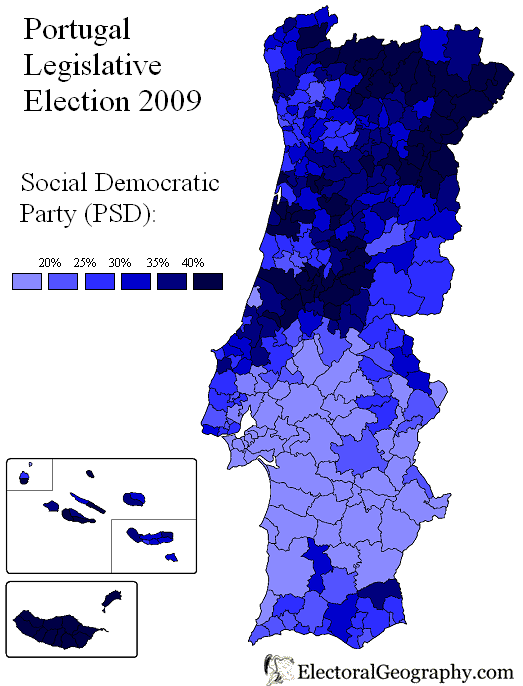
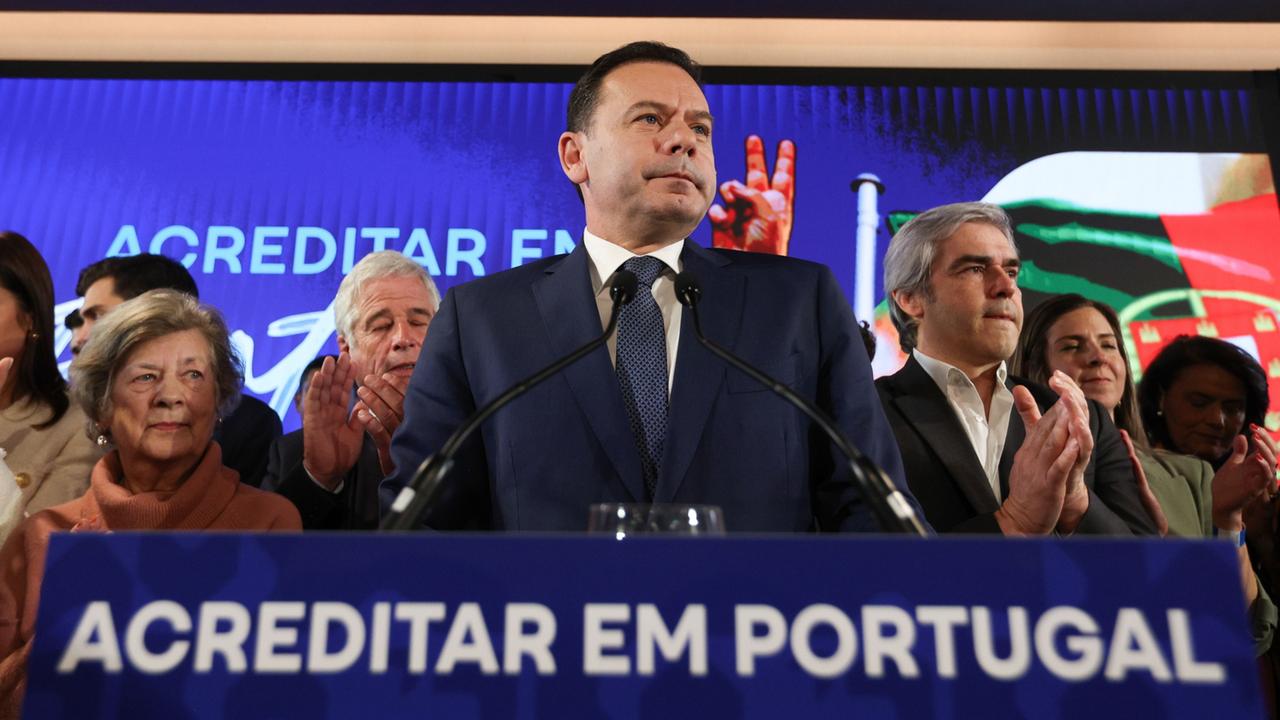
The election was a huge setback for the Socialist Party (PS), which lost almost 18 percentage points. Basically all predictions that said that the PS would win comfortably the election, were wrong. As a result, the party also lost five of its twelve European Parliament members. The Social Democrats (PSD) were the big winners in these elections, surprising pundits and analysts who predicted a very complicated result for the PSD leader, Manuela Ferreira Leite. The PSD won 31.7 percent of the vote and 8 seats. It was the first victory of the PSD, in European elections, since 1989. The People's Party (CDS-PP) also had a surprising result, winning 8 percent of the vote and electing two European Parliament members. Both PSD and CDS-PP, who ran in a joint list in 2004, increased sharply their scores and together they won more than 40 percent of the vote and 10 European Parliament members.
On the left, both the Left Bloc (BE) and Democratic Unity Coalition (CDU) achieved very good results with the historic fact that BE surpassed CDU in term of votes and seats for the first time, although only just. Both parties increased their scores at the expense of the Socialist Party. The Left Bloc won 10.7 percent of the vote and three European Parliament members, their best score in EU elections to date, and CDU surpassed once again the 10 percent mark winning 10.6 percent of the vote, but maintaining the two European Parliament members they got in 2004.
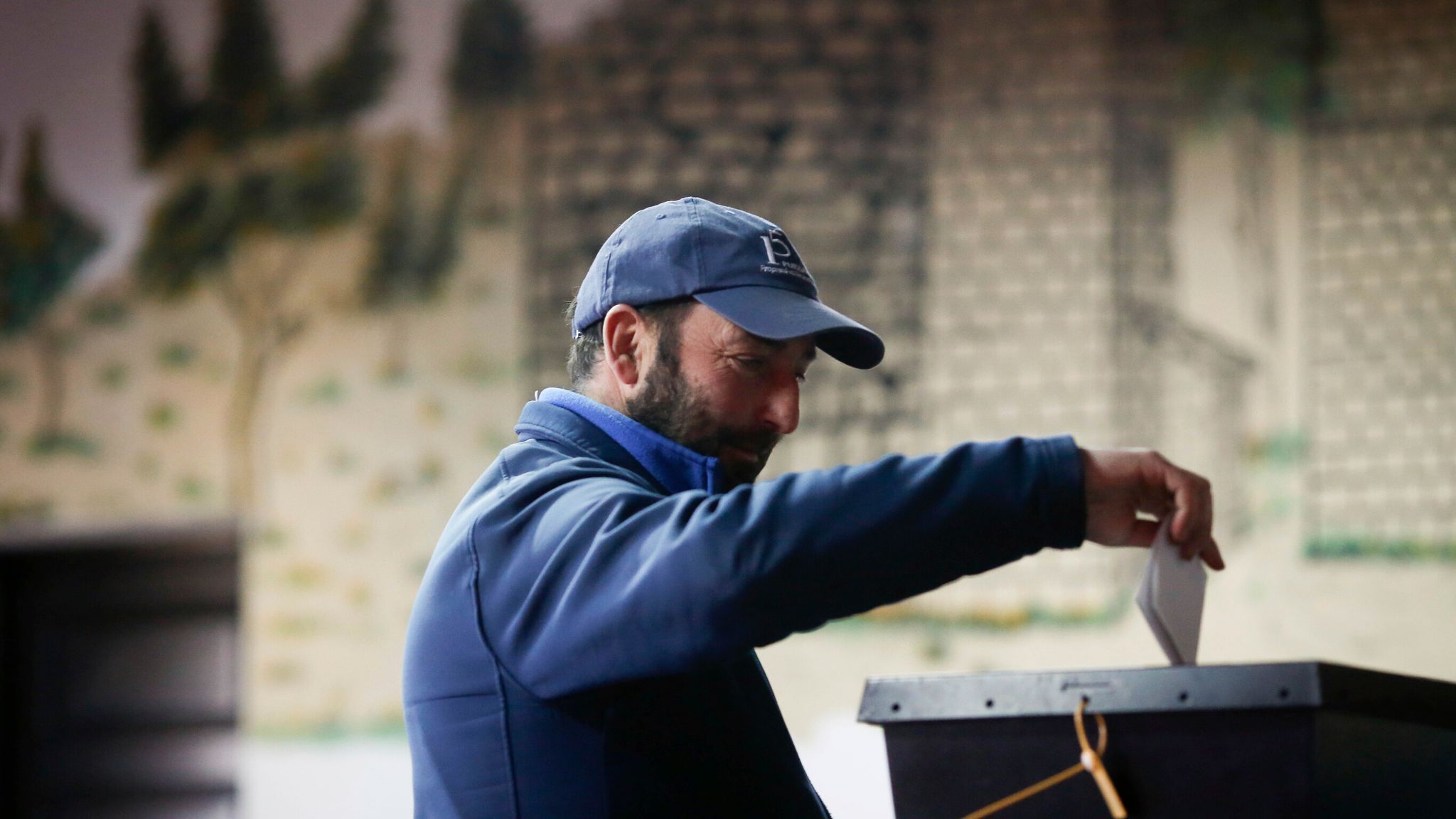
Turnout in the elections was quite low, as only 36.78 percent of the electorate cast a ballot, a slightly lower share than in the 2004 election. Although the number of ballots cast was higher than in 2004, the number of registered voters increased considerably in these elections, making the final turnout share lower than in 2004.
Electoral system
The voting method used, for the election of European members of parliament, is by proportional representation using the d'Hondt method, which is known to benefit leading parties. In the 2009 European Union elections, Portugal had 22 seats to be filled. Deputies are elected in a single constituency, corresponding to the entire national territory.
Parties and candidates
The lists were headed by
- Socialist Party (Partido Socialista, PS): Vital Moreira
- Social Democratic Party (Partido Social Democrata, PSD): Paulo Rangel
- Democratic Unity Coalition (Coligação Democrática Unitária, CDU): Ilda Figueiredo
- CDS – People's Party (CDS – Partido Popular, CDS–PP): Nuno Melo
- Left Bloc (Bloco de Esquerda, BE): Miguel Portas
- Portuguese Workers' Communist Party/Reorganized Movement of the Party of the Proletariat (Partido Comunista dos Trabalhadores Portugueses / Movimento Reorganizativo do Partido do Proletariado, PCTP/MRPP): Orlando Alves
- Earth Party (Partido da Terra, MPT): Pedro Quartin Graça
- Hope for Portugal Movement (Movimento Esperança Portugal, MEP): Laurinda Alves
- People's Monarchist Party (Partido Popular Monárquico, PPM): Frederico Carvalho
- Merit and Society Movement (Movimento Mérito e Sociedade, MMS): Carlos Gomes
- National Renovator Party (Partido Nacional Renovador, PNR): Humberto Nuno de Oliveira
- Humanist Party (Partido Humanista, PH): Manuela Magno
- Workers Party of Socialist Unity (Partido Operário de Unidade Socialista, POUS): Carmelinda Pereira
Campaign period
Party slogans
Candidates' debates
Opinion polling and preliminary exit polls
Exit polls from the three major television networks in Portugal, RTP1, SIC and TVI were given precisely at 20:00 pm (local time) on 7 June 2009.
Voter turnout
The table below shows voter turnout throughout election day including voters from Overseas.
Results
Distribution by European group
Maps
See also
- Politics of Portugal
- List of political parties in Portugal
- Elections in Portugal
- European Parliament
- 2009 European Parliament election
Notes
References
External links
- Eleição dos deputados ao Parlamento Europeu em 2009 from CNE – Comissão Nacional de Eleições